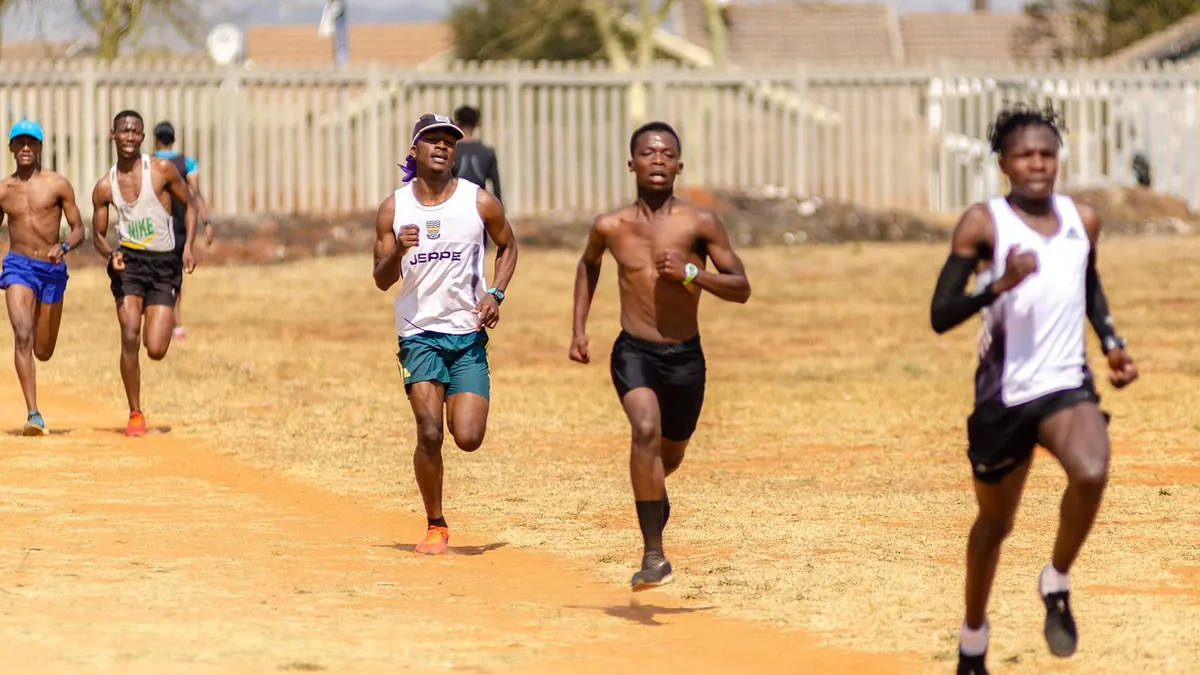

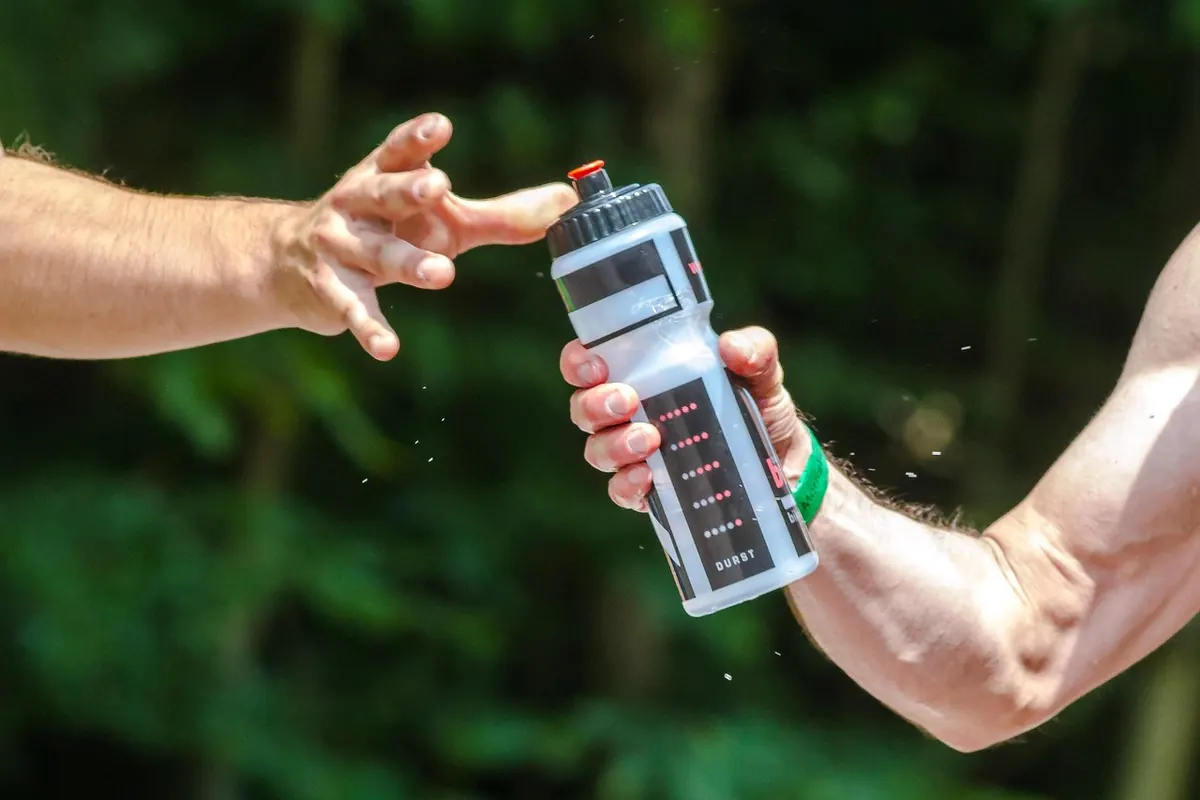
The first genuinely hot workout of the year has a way of humbling you. You set out feeling strong, and twenty minutes later your pace sags, your head feels thick, and the last stretch home becomes a negotiation. Most of the time it isn't fitness that let you down — it's fluid. Hydration is simple, but it's easy to get wrong once the temperature climbs, because your body's thirst signal arrives later than the problem does. Here is a checklist you can run through before, during, and after every outdoor session this summer.
Before You Head Out
Arriving at your workout already behind on fluids is the single most common mistake. You cannot fix a deficit in the first ten minutes on the pavement, so start an hour or two earlier.
- Two hours before: drink a glass or two of water with a meal or snack. This gives your body time to absorb it and lets you clear the extra before you leave the house.
- Twenty to thirty minutes before: another small glass. Enough to top up, not enough to slosh around in your stomach.
- Check the colour: pale straw-coloured urine is a decent sign you're starting well hydrated. Dark amber means you need to drink more — and to start sooner next time.
- Eat something salty if you sweat heavily: a normal meal with a little salt in it does more for you than a plain glass of water alone.
- Leave the bottle where you'll see it: on the doorstep, in the car, in your bike cage. Forgotten water is water you don't drink.
- Plan the route around water: parks with fountains, a gym on the way home, or a looped course past your own kitchen tap.
During the Session: Small and Often
Chugging a litre at the halfway point is unpleasant and it doesn't work well. Your body absorbs fluid best in modest, steady amounts. A few sips every fifteen or twenty minutes is the habit to build — roughly a mouthful to a small cup each time, adjusted for how much you're sweating.
When plain water is enough
For sessions under about an hour in moderate heat, water is fine. You're not going to sweat out a dangerous amount of sodium in forty-five minutes of steady running.
When to add electrolytes
Once you're past an hour, or you're sweating heavily in high humidity, or your shirt is soaked and salty at the end, consider a drink with sodium and a little carbohydrate. If you finish long workouts with a headache and a craving for crisps, that's a hint your fluid replacement needs some salt alongside it. Individual needs vary a lot, so test things on easy days rather than on race day.
Adjust for Heat, Humidity, and Clothing
Heat index matters more than the number on the thermometer. On a humid morning, sweat drips off you without cooling you much, so you lose fluid while feeling less rewarded for it. Build in one to two weeks of easier sessions when summer arrives — your body genuinely does adapt, but only if you give it the chance.
Loose, light-coloured, moisture-wicking clothing helps your skin do its job. A dark cotton t-shirt holds sweat against you and makes the whole system work harder. And if you're working out in the middle of the day, consider moving the session to early morning or evening; it's the cheapest hydration strategy available.
After the Workout: Replace What You Lost
The workout isn't finished when you stop moving. Recovery fluid is what actually restores you before the next session.
- Drink steadily over the next two to three hours rather than all at once.
- If you want a rough measure, weigh yourself before and after a long, sweaty session. As a rule of thumb, replace each pound lost with around a pint and a half of fluid.
- Eat something with fluid in it — fruit, soup, yoghurt, a smoothie — because food and drink together hydrate better than water alone.
- Keep an eye on urine colour again. It should drift back towards pale within a few hours.
- Be careful with alcohol afterwards. It slows the whole process down and often leaves you waking up still dehydrated.
Signs You're Already Behind
Dehydration creeps in quietly. Watch for these, especially the ones that appear before you feel thirsty:
- Thirst — useful, but late.
- Dark yellow urine, or not needing to urinate at all.
- Dry mouth, cracked lips, or a furred tongue.
- Dull headache, light-headedness when you stand up.
- Unusual fatigue, heavy legs, or a sudden drop in pace.
- Muscle cramps, especially in calves and hamstrings.
- Chills or goosebumps in the heat, which is a real warning sign.
Heat Exhaustion and Heat Stroke
Heat exhaustion is the point at which you should stop, not push through. Typical signs are heavy sweating, cold and clammy skin, a weak but fast pulse, nausea, dizziness, headache, and muscle cramps. Get out of the sun into shade or air conditioning, lie down with your feet slightly raised, loosen clothing, apply cool wet cloths to your neck, armpits, and groin, and sip water if you can keep it down. If you don't improve within about half an hour, get medical help.
Heat stroke is a medical emergency. Warning signs include skin that is hot and dry or only lightly sweating, a very high body temperature, confusion, slurred speech, agitation, and loss of consciousness. Call emergency services immediately and start cooling the person while you wait — cold water, ice packs, a fan, anything available. Do not wait to see whether they feel better.
Thirst, a headache, and a stalled pace are not character tests. They are your body asking you to stop and drink.
If you take prescription medication — particularly diuretics or certain blood pressure medicines — or you manage a heart, kidney, or blood sugar condition, ask your doctor what your summer plan should look like. Some medicines change how your body handles heat and fluid.
Make It Automatic
You don't need a spreadsheet. Drink with your meals, carry a bottle you actually like drinking from, take a few sips every fifteen minutes, and add electrolytes on the long or brutally humid days. Weigh the cost against the benefit: two minutes of planning before a run versus an afternoon on the sofa with a headache. Most people find that simply starting hydrated removes the problem entirely. Try it for a week of sessions, notice how much better the last mile feels, and let that be the habit that sticks.
Photo: 926663 / Pixabay